Prepper kits are all about being ready for emergencies, whether it's a natural disaster, power outage, or something unexpected. The idea is to have everything you need in one place, so you're not scrambling at the last minute when trouble strikes. Think of it as your go-to toolkit for survival.
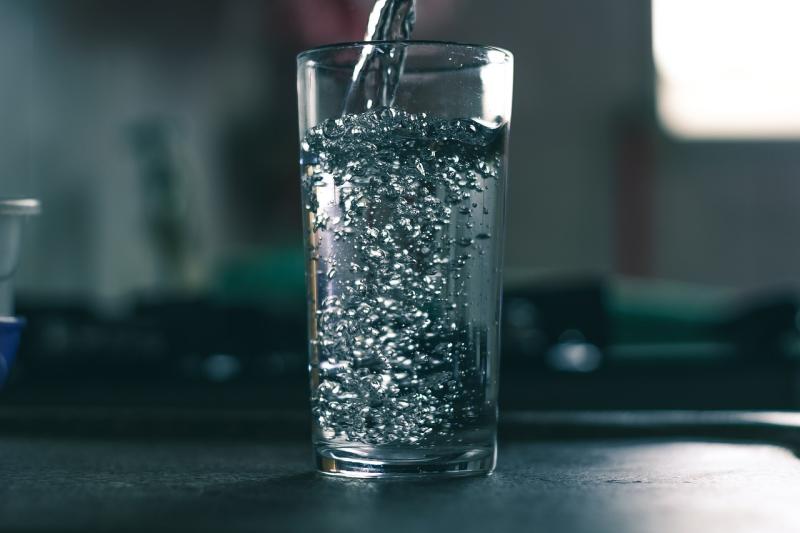
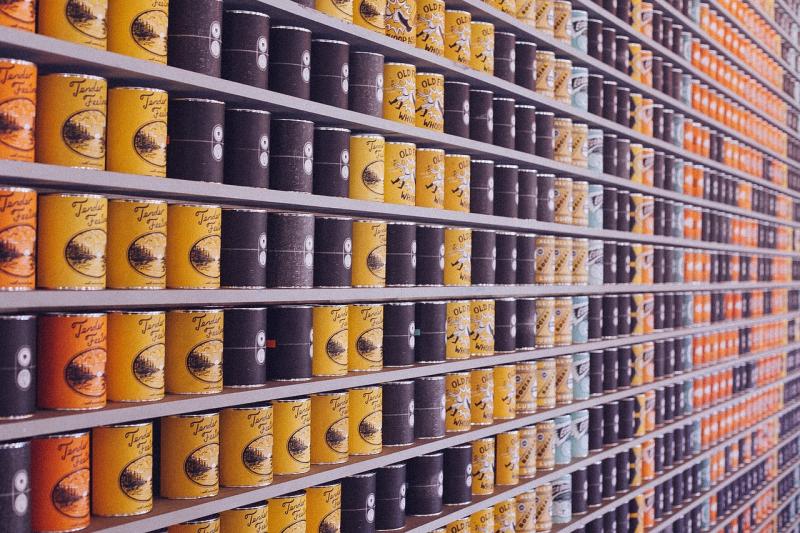
Most basic prepper kits should include food and water. Non-perishable food items like canned goods, freeze-dried meals, and energy bars are great choices. Aim for at least a three-day supply, but having extra is even better. Don’t forget about water; keeping at least a gallon per person per day is a smart move.
First aid supplies are crucial too. A good first aid kit should have band-aids, antiseptic wipes, gauze, and any medications that you or your family members may need. You can also get a pre-made kit, but make sure to check that it suits your specific needs.
Besides food, water, and medical supplies, consider adding some tools and gear. A multi-tool can solve a lot of problems. Flashlights and batteries are essential for when the lights go out. You might also want to think about a portable phone charger, blankets, and a whistle for signaling help.
Finally, don’t overlook the importance of a plan. It’s great to have supplies, but knowing how to use them and having an escape route makes a big difference. Regularly check your kit; make sure everything's in working order, and replace items that may expire. Keeping your prepper kit up to date is part of being prepared.
Essential Items For Your Prepper Supplies
When you're getting your prepper supplies kit ready, there are some must-have items to include. Each one plays a key role in keeping you safe, comfortable, and self-sufficient when things get tough.
First up, water filtration systems. You can't go wrong with a reliable water filter. Whether you're using a pump filter or a filter straw, having clean drinking water is crucial. You can end up needing it more than you think, and it’s better to be prepared.
Don't forget about non-perishable food. You want food that lasts, right? Look for canned goods, dehydrated meals, and energy bars. Pack options that offer variety and nutrition. Think of smart choices like rice, pasta, and beans that can stretch your meals for days.
Next, consider first aid supplies. A well-stocked first aid kit can make a big difference. Make sure it includes bandages, antiseptic wipes, pain relievers, and any personal medications. It’s all about being ready to handle minor injuries and health issues.
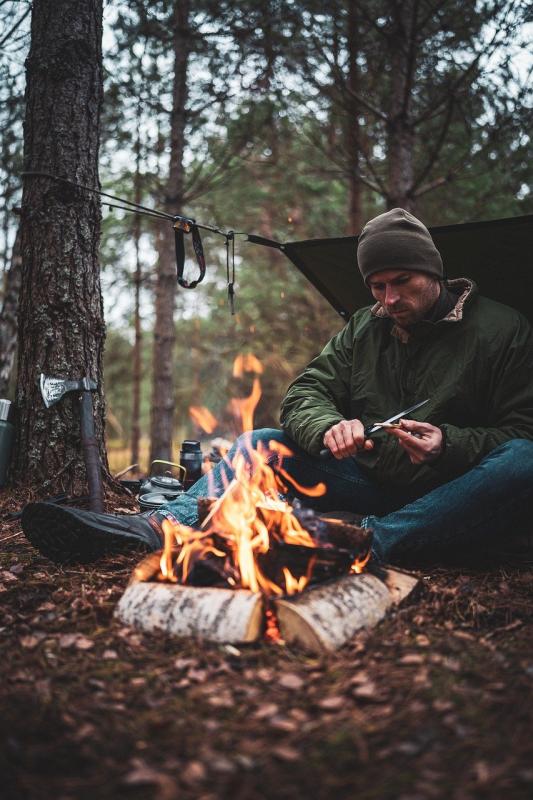
Lastly, think about your shelter needs. Survival blankets and tarps can help protect you from the elements and keep you warm. A decent tent can be a lifesaver if you find yourself in a situation where you need somewhere safe to sleep.
How To Build Your Own Kit
Building your own prepper supplies kit is a smart move. You get to pick exactly what you need, which means it can be tailored to your specific situation. Here’s a simple guide to help you get started.
First off, consider what kind of emergencies you want to prepare for. Is it a natural disaster, an economic crisis, or just the unexpected? Knowing what you’re prepping for helps you decide what goes in your kit. A few essentials to think about include:
Next, it’s time to choose a sturdy container. You want something that can protect your supplies from moisture and damage but is still easy to carry. Backpacks or plastic bins with secure lids can do the trick. Once you have your container, start filling it with your chosen supplies. Don’t forget to rotate your food and water every six months to keep everything fresh!
Lastly, consider adding a few comfort items. Things like blankets, hygiene products, or even a favorite book can make a tough situation feel a bit easier. Remember, your kit should reflect your lifestyle and comfort needs. With everything organized and packed up, you’ll feel ready to face whatever comes your way!
Tips For Regular Kit Maintenance
Keeping your prepper supplies kit in top shape is key to being ready when life throws a curveball. Here are some handy tips to make sure everything in your kit is reliable and effective!
First off, inspect your kit regularly. Take it out about once a month and go through everything. Check the expiration dates on food and medications. Replace any items that are past their prime. If you have stored batteries, test them to ensure they’re still good to go. Nothing’s worse than reaching for a flashlight in an emergency and finding out it’s dead!
Make sure you have a system for organizing items. Group things together like first aid supplies, food, and tools. This makes it easier to grab what you need in a hurry. Plus, it helps you see at a glance if you’re missing anything. Keep a little notepad in your kit to jot down items that need replenishing.
Lastly, keep your kit in a cool, dry place to help maintain the shelf life of supplies. Avoid areas with extreme temperatures or dampness. Store it where it’s easy to reach but not in plain sight so it doesn’t draw unwanted attention.